Landscaping Services
Your outdoor space should feel intentional, functional, and well cared for. Whether you want to improve curb appeal, update worn areas, or create a property layout that feels more complete, landscaping services can help turn scattered ideas into a clearer plan. A strong landscaping project is not just about adding features. It is about making the space work better for the way your property looks, feels, and functions.
When people search for landscaping services, they are usually trying to solve a real problem. Sometimes the yard feels unfinished. Sometimes certain areas look neglected or no longer fit the rest of the property. In other cases, the goal is simple: improve the overall appearance of the outdoor space and make it more usable. Whatever the reason, most homeowners want the same thing at the start. They want to know what kinds of projects are possible, whether the provider handles work like theirs, and what happens after they reach out.
That is where a better landscaping page should do more than just list services. It should make the process easier to understand. It should give homeowners a clearer sense of project fit, service scope, and next steps so they can move forward with more confidence and less guesswork.
What Landscaping Services Can Include
Landscaping services can cover a wide range of outdoor improvements, which is exactly why clarity matters. Homeowners should not have to dig through vague language to figure out whether a page matches their needs. A strong landscaping page should make service scope easier to understand from the start.
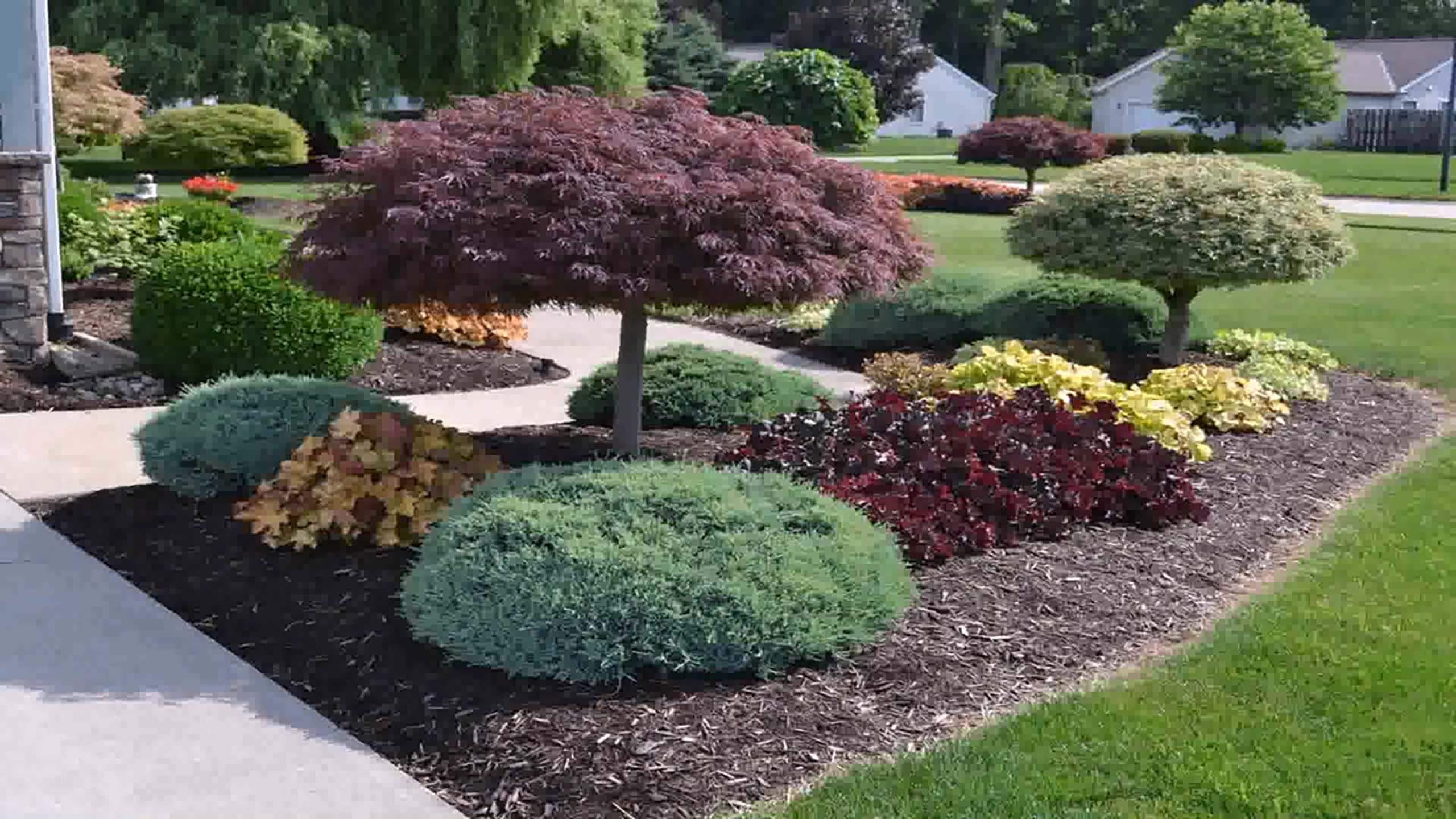
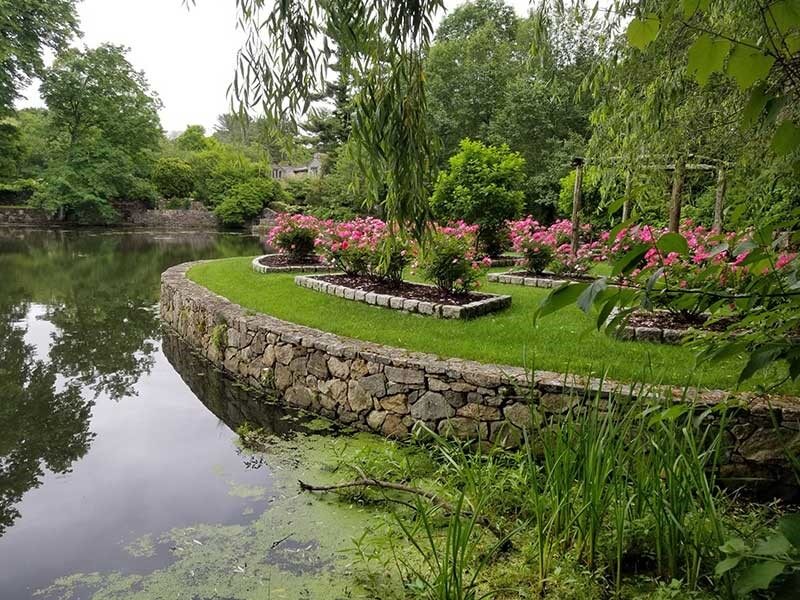
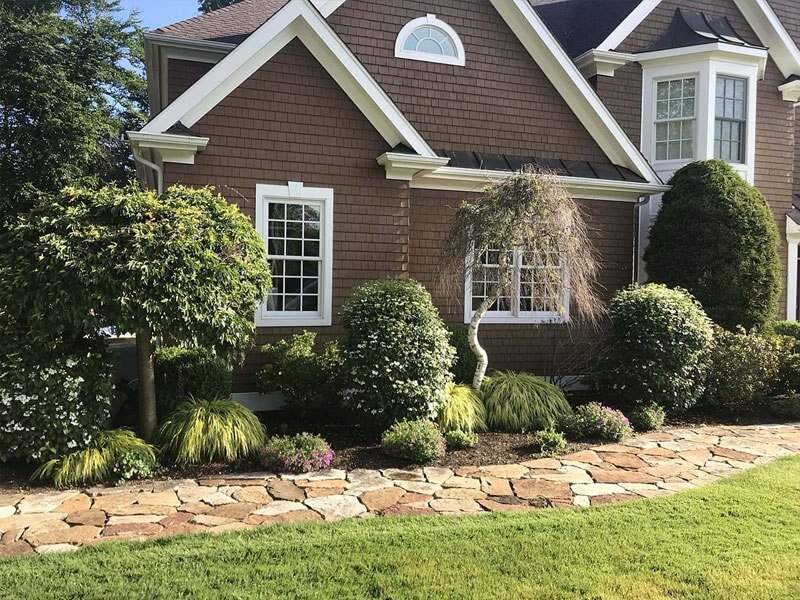
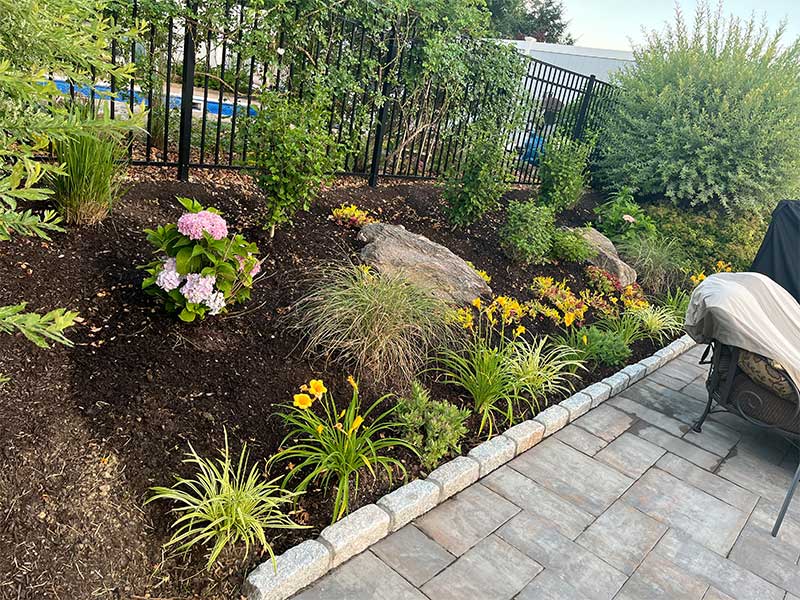
Some landscaping work focuses on improving the appearance of the property. That may involve updating areas that look uneven, outdated, overgrown, or disconnected from the rest of the yard. Other landscaping projects are more functional. The goal may be to improve the layout of the space, create more usable outdoor areas, or bring better structure to a property that currently feels unfinished.
Landscaping services can also support broader outdoor improvement goals. Instead of treating the property as a collection of separate issues, a more thoughtful approach looks at how different parts of the space work together. That kind of structure helps homeowners think more clearly about what they want and whether the provider can help them get there.
The page should also reflect the fact that not every visitor is starting from the same place. Some are planning a more visible outdoor upgrade. Others are trying to improve the condition, layout, or appearance of a property that has become harder to manage or less appealing over time. A page that acknowledges different project types creates a stronger intent match than one that relies on generic service claims.
How Project Fit and Service Direction Are Determined
One of the biggest weaknesses on many landscaping pages is that they jump straight from broad claims to a contact form. That is lazy. Homeowners want a better understanding of how project fit is determined before they take the next step.
A credible landscaping page should make it clear that service direction depends on the property, the visible condition of the space, and the goals of the project. That does not require overexplaining every detail, but it should show that the work is shaped by real property needs rather than one-size-fits-all language.
Some projects start with a clear visual goal. A homeowner may want better curb appeal, a more polished look, or a layout that feels more complete. Other projects start with a practical need. The yard may not feel usable, certain sections may feel disconnected, or the property may need a more structured outdoor arrangement. Either way, the service should be positioned as something that responds to the current condition of the property and the direction the homeowner wants to take.
This kind of operational clarity matters because it makes the page feel grounded. It shows that landscaping is not being presented as a vague bundle of ideas. It is a service that starts with the actual space, the actual project goals, and a clearer understanding of fit.
What to Expect After Reaching Out
A lot of service pages lose trust right where conversion should happen. They tell users to get in touch, but they do not make the next step feel clear. That gap creates hesitation fast.
If someone is considering landscaping services, they want to know what happens after they reach out. They do not need an overbuilt explanation, but they do need enough clarity to feel like the process is real and manageable. A strong page should make the path from inquiry to project discussion feel straightforward.
That means giving users a practical sense of how the conversation starts, what kind of project details may be helpful to share, and how the next stage moves forward. Even simple expectation-setting helps. It reduces friction and makes the page feel more trustworthy because it does not hide the process behind vague calls to action.
Communication also matters. Landscaping projects often involve more than a single surface-level decision, so a page should help users feel like there is a defined path from first contact to clearer project direction. When the page makes that visible, conversion confidence improves.
Landscaping Services for Common Property Goals
People do not always search with the same level of clarity. Some know exactly what they want. Others just know the property needs work. That is why a strong landscaping page should connect the service to common property goals without drifting into filler.
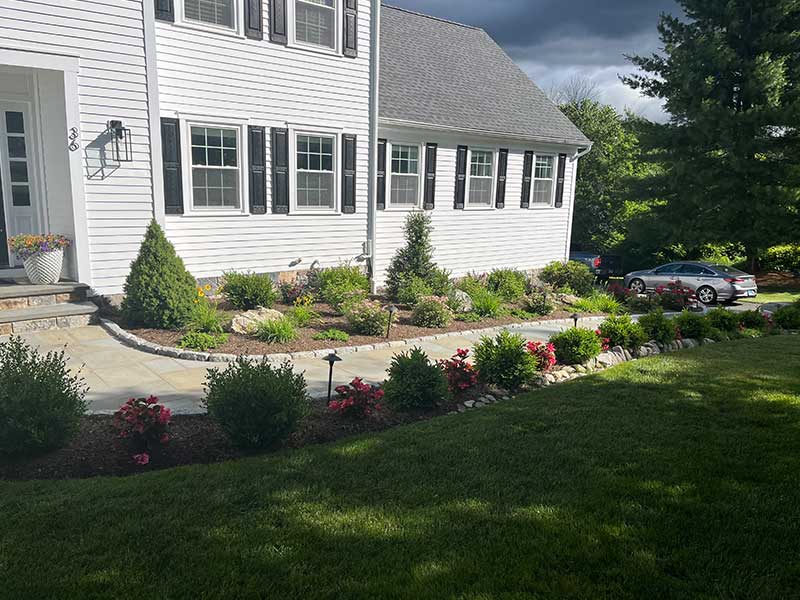
For some homeowners, the priority is curb appeal. They want the property to look cleaner, more intentional, and more visually complete. For others, the focus is usability. They want outdoor areas to feel more organized, more functional, or easier to enjoy. These are not identical goals, and the page should reflect that.
A better landscaping page creates alignment by helping users see their situation on the page. If the content only speaks in broad, polished language, it misses the real job. The page should help a homeowner think, yes, this looks like the kind of project I am trying to solve.
That kind of structure matters because it narrows uncertainty. It gives users a clearer path from search intent to project confidence without turning the page into a long educational article that buries the core service message.
Clear Expectations Before Starting a Landscaping Project
Trust is built when a page helps users understand not only what the service covers, but also what can shape the direction of the project. Landscaping is not a category where vague promises help. Clear expectations do.
A more credible page should acknowledge that project scope can vary based on the property, the current condition of the outdoor space, and the goals the homeowner brings to the conversation. That is not a weakness. It is part of what makes the page feel honest and dependable.
Expectation-setting also helps qualify leads. People are more likely to reach out when the page gives them a realistic sense of how landscaping services are approached. Instead of relying on generic sales language, a strong page should reduce uncertainty through clarity. That means clear service framing, realistic project positioning, and practical next-step guidance.
This is where many pages stay too shallow. They make it easy to click, but not easy to trust. A better page does both.
Why a Structured Landscaping Page Builds Confidence
Homeowners do not need a landscaping page to sound impressive. They need it to make sense. A structured page builds confidence because it helps users understand what kinds of projects are covered, how project direction is determined, and what happens after contact.
That structure creates a stronger experience because it organizes the page around decisions real users are trying to make. It also improves trust by replacing vague promotion with practical clarity. When a landscaping page answers the right questions in the right order, it becomes easier to act on.
That is the difference between a page that simply exists and a page that actually competes.
Request Landscaping Services
If you are looking for landscaping services, the next step should feel clear. You should be able to understand whether the project fits, what the service may involve, and how to move forward without guessing.
A strong landscaping page makes that easier by combining clear service scope, project-fit clarity, visible next steps, and realistic expectations. When those elements are in place, the page does more than attract visits. It helps turn interest into action.
Request landscaping services when you are ready to improve your outdoor space, get clearer direction for your project, and take the next step with more confidence.
Design Experts
Drainage Systems
Flower Bed Design
Flower Planting
Irrigation Installation
Mulching & Edging
New Lawns
Pruning
Shrub & Tree Planting
Water Gardens
Weeding
Weekly Maintenance
Landscape & Design Experts
Flower Bed Design
Weeding
Irrigation Installation
Drainage Systems
Flower Planting
Shrub & Tree Planting
Mulching & Edging
Water Gardens
Weekly Maintenance
Pruning
New Lawns
Design Experts
Drainage Systems
Flower Bed Design
Flower Planting
Irrigation Installation
Mulching & Edging
New Lawns
Pruning
Shrub & Tree Planting
Water Gardens
Weeding
Weekly Maintenance