
Understanding Masonry Construction
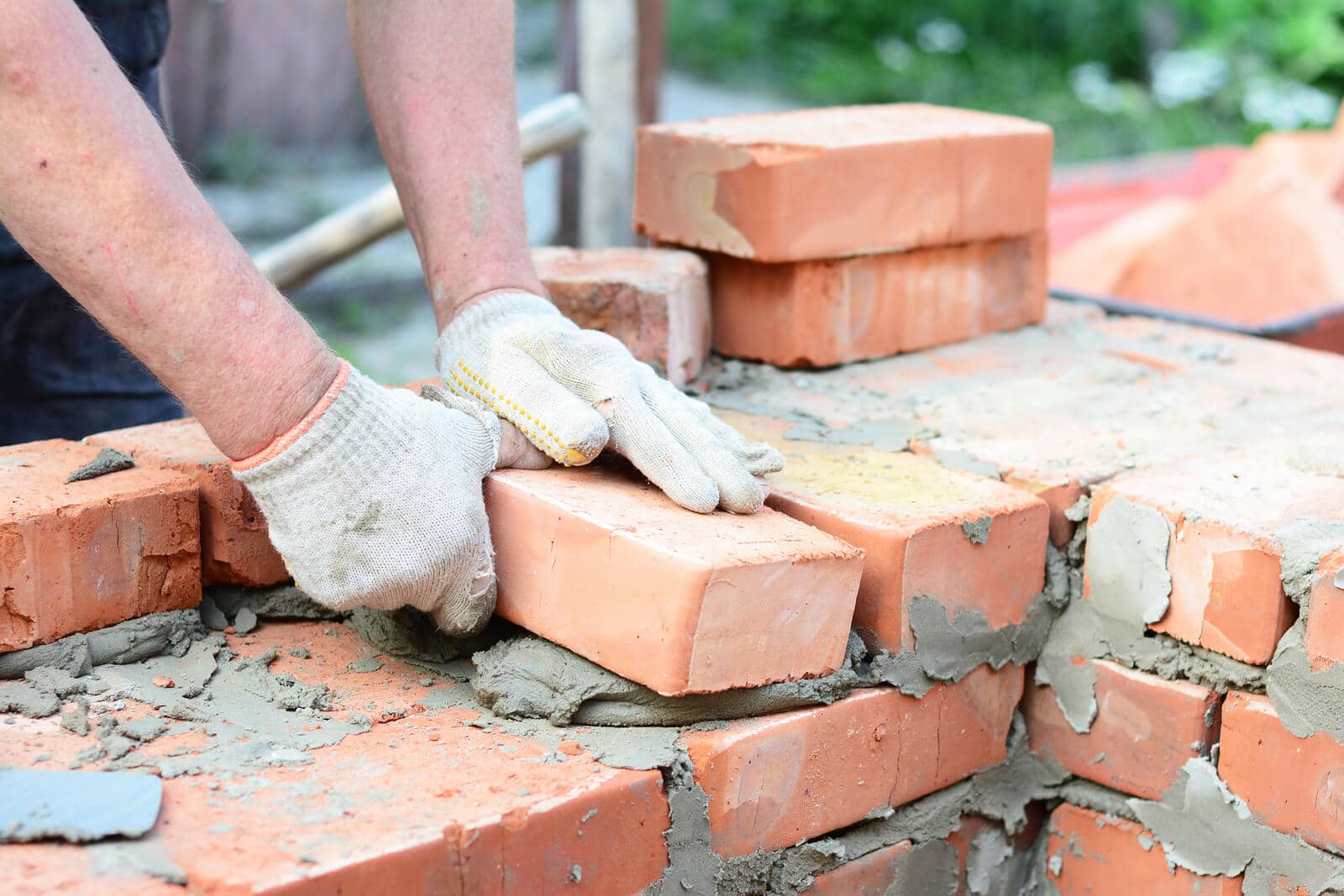
Masonry construction involves building structures by binding individual units — such as bricks, stones, or concrete blocks — with mortar. It’s used for everything from retaining walls and patios to facades and chimneys.
Key Benefits of Masonry Construction
- Exceptional strength and durability
- Low maintenance over decades
- Excellent insulation and weather resistance
- Aesthetic versatility for any architectural style
Common Masonry Construction Materials
Brick Masonry
Bricks are one of the most traditional masonry materials.
-
Made from clay and kiln-fired for strength
-
Offers a clean, uniform appearance
-
Ideal for walls, walkways, and decorative facades
Stone Masonry
A premium option known for natural beauty and unmatched durability.
-
Available in granite, limestone, sandstone, fieldstone
-
Highly weather-resistant
-
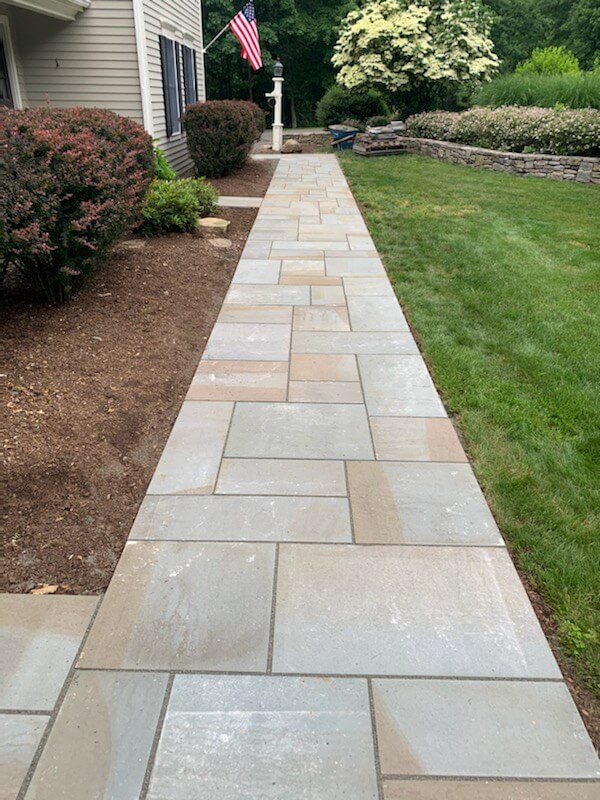
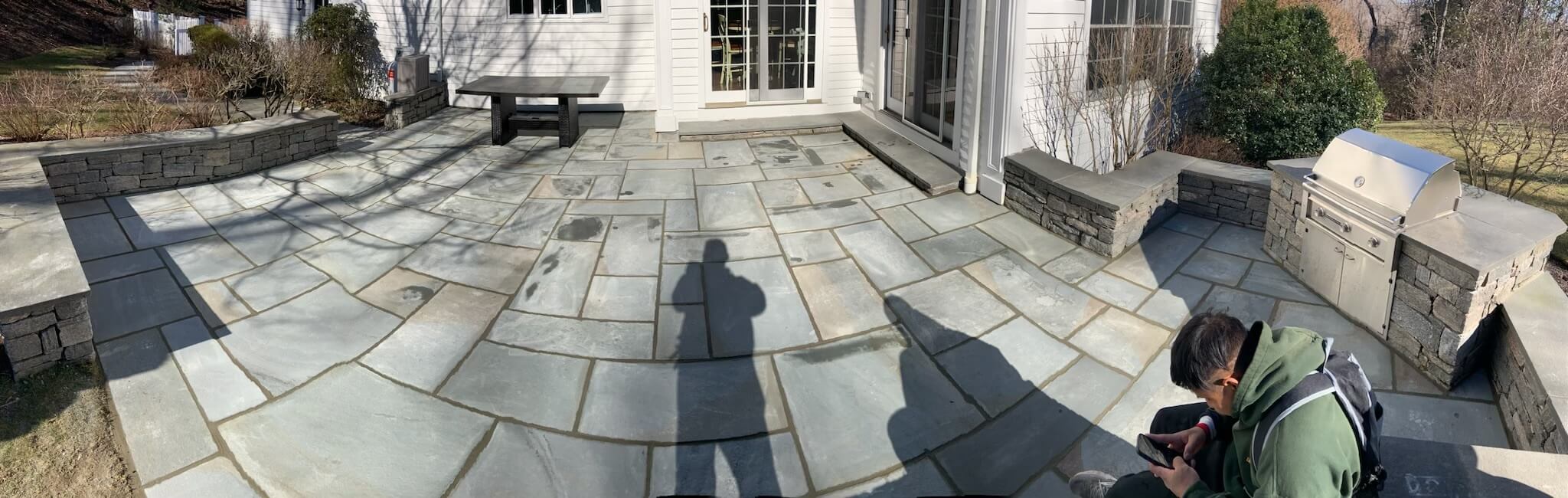
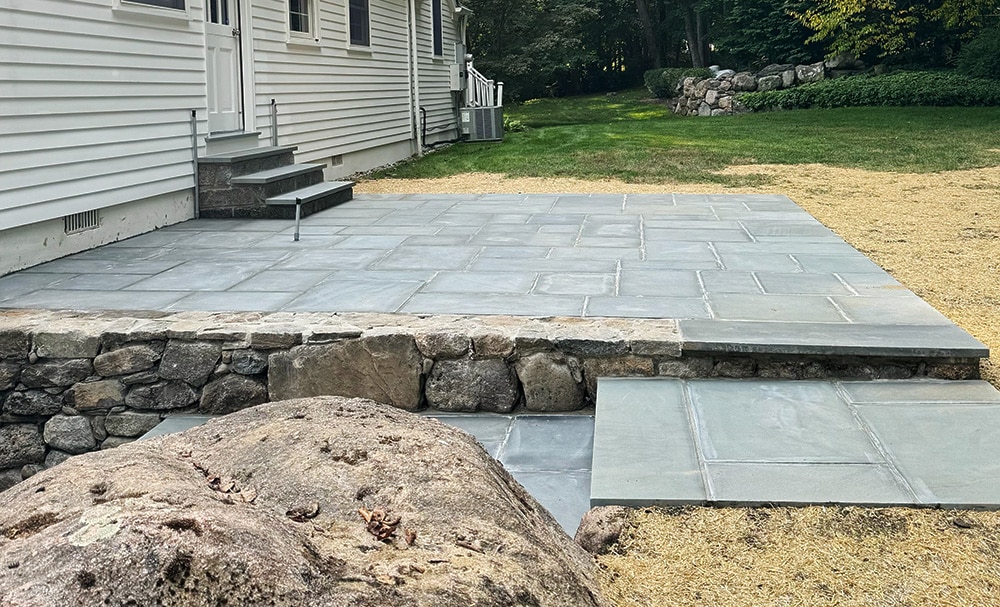
Perfect for retaining walls, steps, and garden features
Concrete Block Masonry
A modern choice suited for large-scale and structural builds.
-
Cost-effective and versatile
-
Strong load-bearing capacity
-
Can be textured, painted, or finished for aesthetics
Veneer Masonry
Thin, decorative layers of brick or stone applied to surfaces.
-
Lightweight and affordable
-
Enhances exterior appearance without full structural weight
Mortar and Cement in Masonry Construction
Mortar plays a crucial role in stability, bonding, and weather resistance.
Types of Mortar Used
Type N Mortar — General-purpose for exterior, above-grade walls
Type S Mortar — High-strength for load-bearing or paving
Type M Mortar — Maximum strength for foundations and retaining walls
Importance of Proper Mixing and Application
Correct ratios, consistency, application, and curing ensure longevity and prevent cracking, moisture intrusion, and structural failure.


Masonry Construction Techniques
Traditional Masonry Laying
Brick and stone units are placed by hand with precision in alignment, spacing, and leveling.
Reinforced Masonry
Uses metal reinforcements (rebar) for greater stability — ideal for retaining walls and commercial projects.
Dry Masonry
Mortarless installation commonly used for rustic walls and landscaping features.
Cavity Wall Construction
Dual-wall systems designed for insulation, moisture prevention, and energy efficiency.
Finishing Techniques
Includes pointing, joint styling, and sealing to protect surfaces and enhance appearance.
Choosing the Right Materials and Techniques for Your Project
Consider Purpose and Environment
-
Load-bearing structures: concrete or reinforced masonry
-
Decorative features: brick or stone
Match Design to Property Aesthetics
Coordinate wall texture, color, and patterns with the surrounding architecture or landscape.
Trust a Skilled Masonry Contractor
A-Z Landscaping ensures materials and methods are chosen correctly for the project’s scale, function, and longevity.

Frequently Asked Questions
What’s the difference between brick masonry and stone masonry?
Brick masonry has a uniform look and quicker installation. Stone masonry offers unique patterns and natural strength.
How do I know which mortar type is best for my project?
It depends on the purpose and load. Your contractor will select the ideal mortar for strength and long-term bonding.
Are modern masonry materials more efficient than traditional ones?
Yes. Modern cement, reinforcements, and sealants increase durability, moisture control, and performance.
How long do masonry walls last?
With proper construction and maintenance, masonry structures commonly last over 100 years.
Build With Confidence — Partner With A-Z Landscaping
At A-Z Landscaping, we use only the finest masonry construction materials and advanced techniques to ensure your walls, patios, and outdoor structures stand the test of time. From design to installation, our craftsmanship guarantees both strength and style.